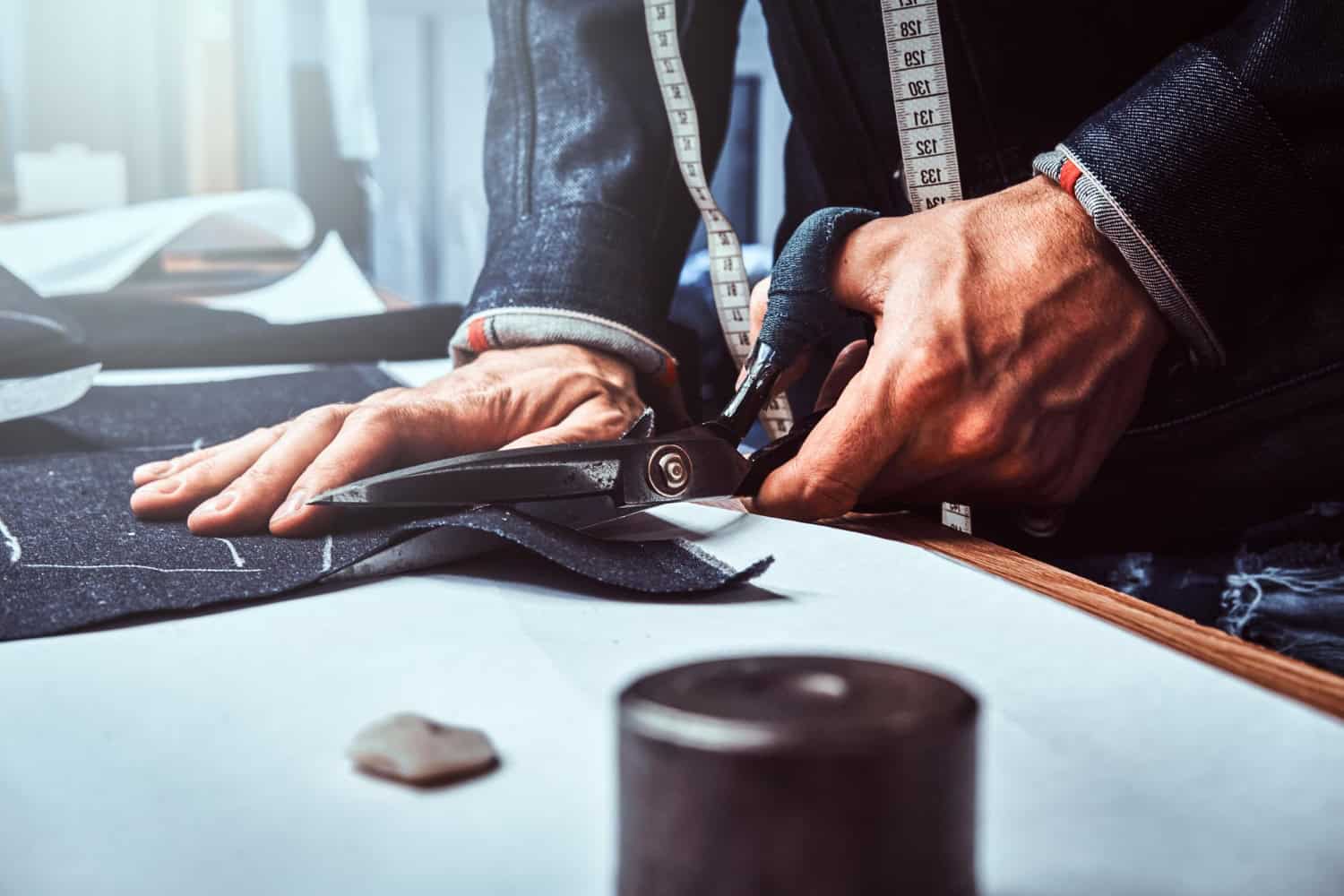
If we’re being honest, most of us don’t come to Thailand thinking, “This is where I’ll get the best suit of my life.” Then we see the signs: “TAILOR MADE SUITS – 24 HOURS.” on every other corner, and suddenly it’s tempting.
Bangkok has become a global hotspot for custom tailoring because it promises something most cities can’t: fast turnaround, serious craftsmanship, and prices that (if we choose wisely) beat our home country by a mile. But for first-time buyers, the mix of quality shops, pushy touts, and too-good-to-be-true deals can be confusing.
In this guide, we’ll walk through everything we need to know about tailor made suits in Bangkok, from how the scene works and what to expect, to choosing fabrics, understanding construction, and avoiding the classic tourist traps. By the end, we’ll know exactly how to walk into a Bangkok tailor and walk out with a suit we’re proud to wear for years.
Why Bangkok Is A Global Hub For Tailor Made Suits
Bangkok didn’t become famous for custom suits by accident. A few key factors came together here:
- Skilled immigrant tailoring communities – Bangkok has long hosted Indian, Chinese, and Thai tailoring families who’ve been cutting and sewing suits for generations. Many of the “old-school” shops we see today are in their second or third generation.
- Access to global fabric markets – Because of strong trade links, Bangkok tailors can source wool and blends from mills in Italy, the UK, and Asia, often at better landed costs than our local tailor back home.
- Lower operating costs – Labor and overheads are still lower than in Europe, North America, or Australia. That’s why tailor made suits in Bangkok can be half (or less) of what we’d pay at home for similar quality.
- Tourism-driven competition – With millions of visitors every year, there’s fierce competition. The best tailors have to keep raising their standards on fit, service, and turnaround.
The result? We get a spectrum that runs from dirt-cheap, disposable “2 suits, 3 shirts” deals to genuinely world-class bespoke work that rivals what we’d find in London or Milan, often for a fraction of the price.
What To Expect From A Bangkok Tailor
When we step into a reputable Bangkok tailor for the first time, the process is usually structured but relaxed. Here’s what we can expect:
- Initial consultation
We’ll talk about why we’re buying the suit: business, weddings, travel, or general use. A good tailor will ask about our profession, climate back home, and how we like our clothes to fit.
- Fabric and style discussion
Bolts of fabric come out, pattern books appear, and we’re guided through options, wool, wool blends, linen, cotton, etc. At the same time, we’ll browse sample jackets and lookbooks to decide on lapels, pockets, vents, and overall style.
- Measurements
Expect 15–25 body measurements if the shop is serious: chest, waist, seat, shoulders, arm length, posture, stance, and more. Some tailors will also take photos to capture posture and shoulder slope.
- Timeline and fittings
Most quality shops will quote a 3–5 day timeline with at least two fittings. If someone promises a full custom suit “in 24 hours” with no fitting, we’re not getting true tailoring, we’re getting a rushed, semi-ready-made garment.
- Clear pricing and options
We should get a clear quote based on fabric quality, construction (fused vs half-canvas), and extras (functioning sleeve buttons, extra trousers, waistcoat, etc.). There shouldn’t be surprise charges at the end.
At every step, the key sign we’re in good hands is questions: the tailor should be asking us more questions than we’re asking them. If they’re just pushing a “package” instead of understanding our needs, that’s a red flag.
How To Choose The Right Tailor In Bangkok
Bangkok has hundreds of tailors, but only a fraction are worth our time and money. Choosing the right one is the single biggest factor in whether our suit ends up being a bargain or a regret.
Reputable Vs. Street-Tout Tailors
We’ll see two broad categories:
- Reputable tailors
These usually have a proper storefront, consistent branding, solid online presence, and years of reviews. Staff are knowledgeable but not pushy. Prices start higher than the “deal” shops, but quality is far more reliable.
- Street-tout or commission-driven shops
These rely heavily on touts outside, aggressive sales, and tourist packages: “2 suits, 3 shirts for $199.” They often outsource work to low-cost factories, rush production, and cut corners on fabric and construction.
Not every tout-linked shop is terrible, but the risk is much higher. If we’re here for only one suit, it’s rarely worth gambling to save a small amount.
Checking Reviews, Portfolios, And Communication
We should treat this like hiring a specialist:
- Reviews – Look for consistent feedback over several years on Google Maps and travel forums, not just a cluster of suspiciously similar 5-star reviews.
- Before-and-after photos – Reputable tailors often share their work on social media or in-store albums. We want to see how the suit actually fits real clients, not just model pictures from catalogs.
- Communication – We need a tailor who listens. If they dismiss our questions or push us into choices we’re not comfortable with, we’ll likely struggle with alterations later.
We should also ask straightforward questions: who actually does the cutting and sewing, how many fittings we’ll get, and whether they keep our pattern for future orders.
Location Considerations: Sukhumvit, Silom, And Tourist Areas
Most of the well-known tailors in Bangkok cluster around:
- Sukhumvit – Particularly between Nana and Asok (and into Phrom Phong). There’s a mix of long-standing family tailors and tourist-heavy shops. Easy to access by BTS.
- Silom / Sala Daeng area – Popular with business travelers, with several highly reputable, slightly more conservative tailors.
- Tourist-heavy zones like lower Sukhumvit and areas near major malls – Here we’ll find more touts and package deals. Some gems exist, but we need to be extra selective.
Location can matter for convenience, especially if we’re staying only a few days. But we shouldn’t choose purely based on walking distance from our hotel. A 10–15 minute BTS ride to a better shop is worth it for a suit we’ll wear for years.
Understanding Fabrics, Styles, And Suit Construction
The right tailor is only half the story. To get real value from tailor made suits in Bangkok, we need a basic understanding of what we’re buying.
Fabric Types And When To Choose Each
Common options we’ll see:
- 100% wool (Super 100s–130s) – The sweet spot for most people. Breathable, drapes well, durable enough for regular wear. Great for business suits.
- Wool blends (wool + polyester/viscose) – Cheaper, more wrinkle-resistant, but warmer and less breathable. Acceptable if budget is tight, but we should know what we’re getting.
- Linen – Perfect for hot climates and casual wear. It wrinkles easily, but that’s part of its charm.
- Cotton – Slightly more structured than linen, still breathable. Good for smart-casual suits.
For most of us, a midweight wool or wool-blend in navy, charcoal, or mid-grey is the safest first purchase. If a price seems too low for “pure wool,” it often isn’t pure.
Key Style Decisions: Lapels, Vents, And Buttons
Our tailor will walk us through style choices, but it helps to have a view:
- Lapels – Notch lapels are standard and safest. Peak lapels are sharper and more formal. Avoid ultra-skinny or oversized trends if we want longevity.
- Vents – Double vents (two slits at the back) are more flattering and practical for most builds. Single vent is common but can flare when we put hands in pockets.
- Buttons – Two-button jackets are the modern default. Three-button suits are more traditional and can look dated if cut poorly. For double-breasted, trust the tailor’s guidance on button stance.
We’ll also decide on details like ticket pockets, slanted vs straight pockets, and lining color. This is where the fun comes in, but understated choices age better.
Half-Canvas Vs. Fused: What Matters And Why
Suit construction is where many first-time buyers get lost, but it’s worth grasping the basics:
- Fused construction – The cheapest method. The front of the jacket is glued to an interlining. It’s faster and cheaper to make but can feel stiff and may bubble over time if poor glue is used.
- Half-canvas – A layer of canvas (often horsehair or a blend) is sewn into the chest and lapel area, with the lower part fused. This gives better drape, shape, and longevity without the cost of full canvas.
- Full canvas – Canvas extends through the entire front. Best movement, structure, and durability, but also the most expensive and time-consuming.
In Bangkok, a good half-canvas suit is usually the best value for money. When a tailor offers a very cheap “Italian fabric, full canvas suit,” we should be skeptical unless we know and trust the shop.
The Typical Fitting Process And Timeline
One of the big advantages of getting tailor made suits in Bangkok is speed, but there’s a realistic limit to how fast good work can happen.
Step-By-Step: From Measurements To Final Pickup
A typical process looks like this:
- Day 1 – Consultation & measurements
We choose fabric and style, get measured, and pay a deposit.
- Day 2 – First fitting (basted or rough fitting)
We try on a partially constructed jacket and trousers. The fit may look a bit off, this is normal. The tailor checks shoulders, chest, waist, seat, length, and sleeve pitch.
- Day 3 – Second fitting
We see a near-finished suit. Fine-tuning happens here: waist suppression, sleeve and trouser length, slight adjustments to balance.
- Day 4 or 5 – Final try-on & pickup
We do a last check. If anything still feels off, we ask for tweaks. A good tailor will stand by their work and make reasonable final adjustments.
Some shops can compress this into 48–72 hours, but only if we’re flexible and available for fittings.
How Many Fittings You Really Need
For a first-time suit with a new tailor, we should aim for at least two fittings:
- One early to correct major issues in the pattern.
- One later for refinements.
If a shop insists there’s “no need for fitting,” or they promise a finished suit in a single day, we’re essentially getting a modified ready-to-wear garment.
If we have more time in Bangkok, a third fitting is even better, especially if we’re very particular about fit or have a non-standard body shape.
Cost, Value, And How To Avoid Common Pitfalls
Pricing for tailor made suits in Bangkok is all over the map, so it helps to benchmark and understand where the traps are.
Typical Price Ranges For Tailor Made Suits In Bangkok
As of the mid-2020s, these rough ranges are common (per two-piece suit):
- Budget / tourist-package level: 3,000–6,000 THB (about $85–$170)
Often fused, synthetic-heavy fabrics, factory production, minimal fittings.
- Mid-range, good value: 8,000–15,000 THB (about $225–$425)
Better wool or wool-blend fabrics, more reliable construction, proper measurements and fittings. This is where many of the better-known Sukhumvit and Silom tailors sit.
- High-end / bespoke: 18,000–30,000+ THB ($500–$850+)
Quality wool from reputable mills, half- or full-canvas, detailed handwork, multiple fittings. Some of these shops rival top Western bespoke houses at a lower price point.
We shouldn’t chase the absolute lowest price. For most first-time buyers, the mid-range is where quality and value meet.
Bargaining Tips And Red Flags To Watch For
Bargaining is part of the culture in many tourist areas, but we need to approach it smartly:
- Negotiate respectfully – It’s fine to ask, “Is there any flexibility on the price if we also add shirts or an extra pair of trousers?” But if a tailor drops the price by 40–50% instantly, either the original price was inflated or corners will be cut.
- Beware of bait-and-switch – A classic move is showing us a nice Italian fabric book, then quietly using a cheaper bolt from the back. We should note the fabric roll, take a photo if needed, and confirm it before cutting.
- Avoid time pressure – “This price only today” or “We must choose now” is a sign they’re relying on impulse rather than quality.
- Get everything written down – Fabric type, number of pieces, construction (fused vs half-canvas), number of fittings, and delivery time should be clearly written on our order slip.
If something feels off, overly pushy sales, vague answers about construction, or an offer that sounds too good to be true, it usually is. It’s better to walk away and try a different shop than to spend our trip arguing over alterations.
Conclusion
Getting tailor made suits Bangkok can be one of the smartest style decisions we make on our trip, or one of the most frustrating, depending entirely on how we approach it.
If we remember the key points, we’ll be in the first camp:
- Treat choosing a tailor like hiring a professional, not buying a souvenir.
- Prioritize reputation, communication, and clear processes over rock-bottom prices.
- Learn just enough about fabrics, style, and construction to make informed choices.
- Give the tailor enough time and at least two fittings to do their job properly.
When we do that, Bangkok stops being “that place with too many suit shops” and becomes a genuinely world-class destination for custom tailoring. We walk away not just with a bargain, but with a suit that fits our body, our life, and our sense of style, long after our boarding pass home is scanned.