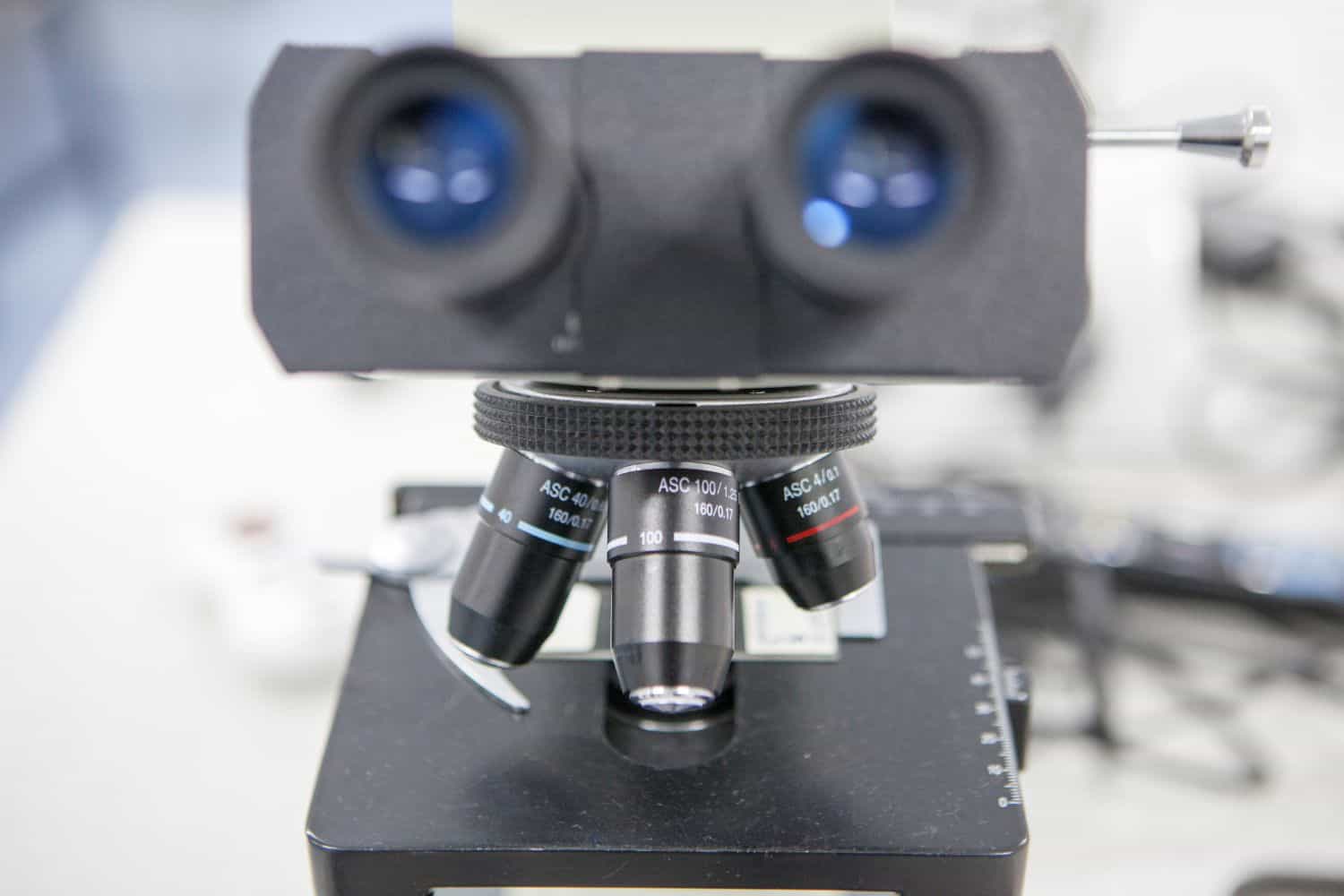
In the highly competitive field of modern automotive manufacturing, understanding how materials behave at the microscopic level is a fundamental requirement for producing safe and reliable vehicles. Unlike traditional optical microscopes that use visible light and glass lenses to magnify an object, advanced laboratories utilize a significantly more powerful technology. A comprehensive evaluation using a focused beam of high energy electrons allows scientists to capture incredibly detailed, three dimensional images of solid surfaces. This highly sophisticated diagnostic process provides extreme magnification and a massive depth of field, enabling quality control engineers to inspect material topography down to the nanometer scale.
The transition toward electric mobility and lightweight vehicle architectures has made this level of precision absolutely essential. Modern cars utilize complex aluminum alloys, advanced polymer composites, and highly sensitive electronic sensors. When a prototype fails or a production part fractures unexpectedly, relying on standard visual inspection is simply inadequate. Engineers require irrefutable visual evidence to understand the exact mechanics of the material degradation so they can rapidly adjust their manufacturing processes and prevent costly field failures.
The Core Mechanism of High Resolution Imaging
Understanding how this technology works highlights why it is considered the gold standard for industrial failure analysis. The process is highly specialized and requires a completely controlled environment to generate accurate visual data.
- Electron Beam Generation: The equipment generates a concentrated beam of electrons that travels through an absolute vacuum chamber. This vacuum is necessary to prevent gas molecules in the air from scattering the electrons and ruining the image resolution.
- Surface Interaction and Detection: As the electron beam scans across the surface of the component, it interacts with the atoms of the material. This interaction causes the material to emit secondary electrons and backscattered electrons. Highly sensitive detectors capture these emissions and instantly convert them into a crisp, high resolution digital image on a computer monitor.
- Conductive Sample Preparation: Because the imaging relies on electrical signals, the component being tested must be conductive. If engineers need to analyze a non conductive material like a synthetic dashboard plastic or a rubber tire compound, they must first coat the sample with an ultra thin layer of gold or platinum to prevent a static electrical charge from distorting the final image.
Essential Applications in Automotive Engineering
The ability to visualize microscopic anomalies makes this analytical technique a critical requirement for automotive quality assurance teams across the global supply chain.
- Fractography and Metal Fatigue: When critical moving parts like transmission gears or engine camshafts fracture, analysts examine the broken surface under extreme magnification. They look for microscopic fatigue striations or casting voids to determine if the failure was caused by repetitive mechanical stress or a fundamental flaw in the metal alloy.
- Protective Coating and Paint Validation: Exterior vehicle panels are treated with multiple layers of anti corrosion primers and clear coats. This technology allows engineers to measure the exact thickness of each microscopic layer and detect tiny pinholes that could eventually allow rust to form.
- Electric Vehicle Battery Inspection: The lithium ion batteries used in electric vehicles contain delicate internal structures. Microscopic inspection ensures that the internal separator membranes are completely free of conductive metal dust, which could otherwise bridge a gap and cause a highly dangerous thermal runaway event.
Resolving complex manufacturing defects rapidly is crucial to minimizing production downtime and protecting passenger safety. By incorporating professional scanning electron microscopy analysis into their quality control protocols, companies can gather the undeniable empirical data needed to perfect their engineering designs. To ensure maximum accuracy and objective third party verification, proactive manufacturers consistently partner with an Alstesting Laboratory Testing service in Malaysia to secure their supply chains against hidden material flaws.
Frequently Asked Questions (FAQ)
Why is an absolute vacuum chamber required for this procedure?
A vacuum chamber is absolutely required because the procedure relies on a highly focused beam of electrons. If normal atmospheric air were present inside the testing chamber, the gas molecules would physically collide with the electrons, scattering the beam and making it impossible to capture a clear, high resolution image.
Can this imaging technique identify chemical elements as well?
Yes, it can easily identify chemical elements when the microscope is paired with an Energy Dispersive X-ray detector. As the main electron beam strikes the material surface, the material emits characteristic X-rays. The detector captures these X-rays to instantly reveal the exact elemental composition of a microscopic defect or chemical contaminant.
How does this technology assist in autonomous vehicle development?
Autonomous vehicles rely on an array of highly sensitive cameras, radar units, and lidar sensors. The printed circuit boards within these devices must be flawlessly manufactured. This microscopic imaging technique is used to inspect the integrity of microscopic solder joints and ensure that the electronic assemblies will not fail under severe mechanical vibration or extreme temperature changes.